25 Jump St, NY 10013

Extra Sale 30% Off : 00 : 02 : 00 : 90

Professional Field Measurement

After your online estimate, we schedule a field measurement to verify sizing and final options before manufacturing your custom windows.

  • Check rough opening: width/height, squareness, sill condition, frame stability
  • Confirm style & egress: proper ventilation; safety egress where required
  • Select final options: Low-E level, Argon, warm-edge spacer, exterior capping color
  • Final quote & scheduling: no pressure, no upselling, transparent pricing

Measurement & Installation Standards

In the Chicago & Milwaukee area, about 90% of projects are insert (retrofit) replacements: we keep the existing window frame and interior casing, remove the old sashes, and install a new vinyl window (new frame & sashes) into the opening. Outside, we finish with custom aluminum capping and color-matched caulking.

Casing Stops Sashes Aluminum Capping Low-expansion Foam
Preparation & site protection before installation

Preparation & Site Protection

Protect interiors

Floor runners and drop cloths; dust control; move furniture as needed.

Remove treatments & hardware

Blinds, shades, screens and locks removed; opening made safe for work.

Stage materials

Confirm window labels, colors, capping coil and sealants before demo.

Everything ready so installation is clean, organized and fast.

Installing a replacement window

Insert (Retrofit) Installation — Typical

Remove old sashes

Take out movable panels; protect interior casing. Leave existing frame & stops in place when sound.

Prep & set new unit

Vacuum debris, dry-fit, level & square, fasten per spec.

Insulate & seal

Low-expansion foam around perimeter; reinstall interior stops. Exterior: custom aluminum capping + premium caulk.

Clean, test & haul-away

Operation check, tilt-in cleaning demo, site cleanup and removal of old units.

Keeps interior finishes intact • Most cost-effective • Fast & tidy

Insert (Retrofit) Replacement — Our Default

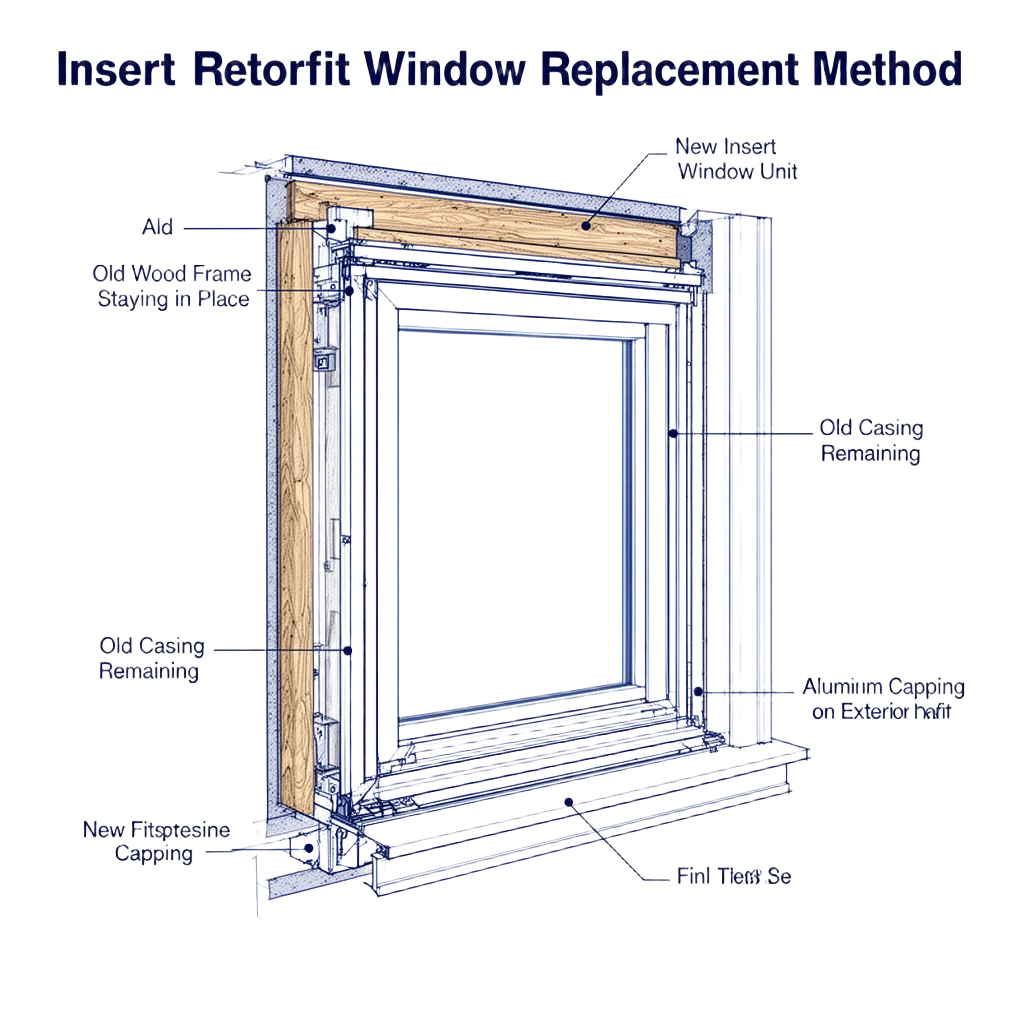
Existing frame remains; new window fits inside it. Best for solid frames without rot.

  • Preserves interior casing and wall finishes (no drywall/paint work).
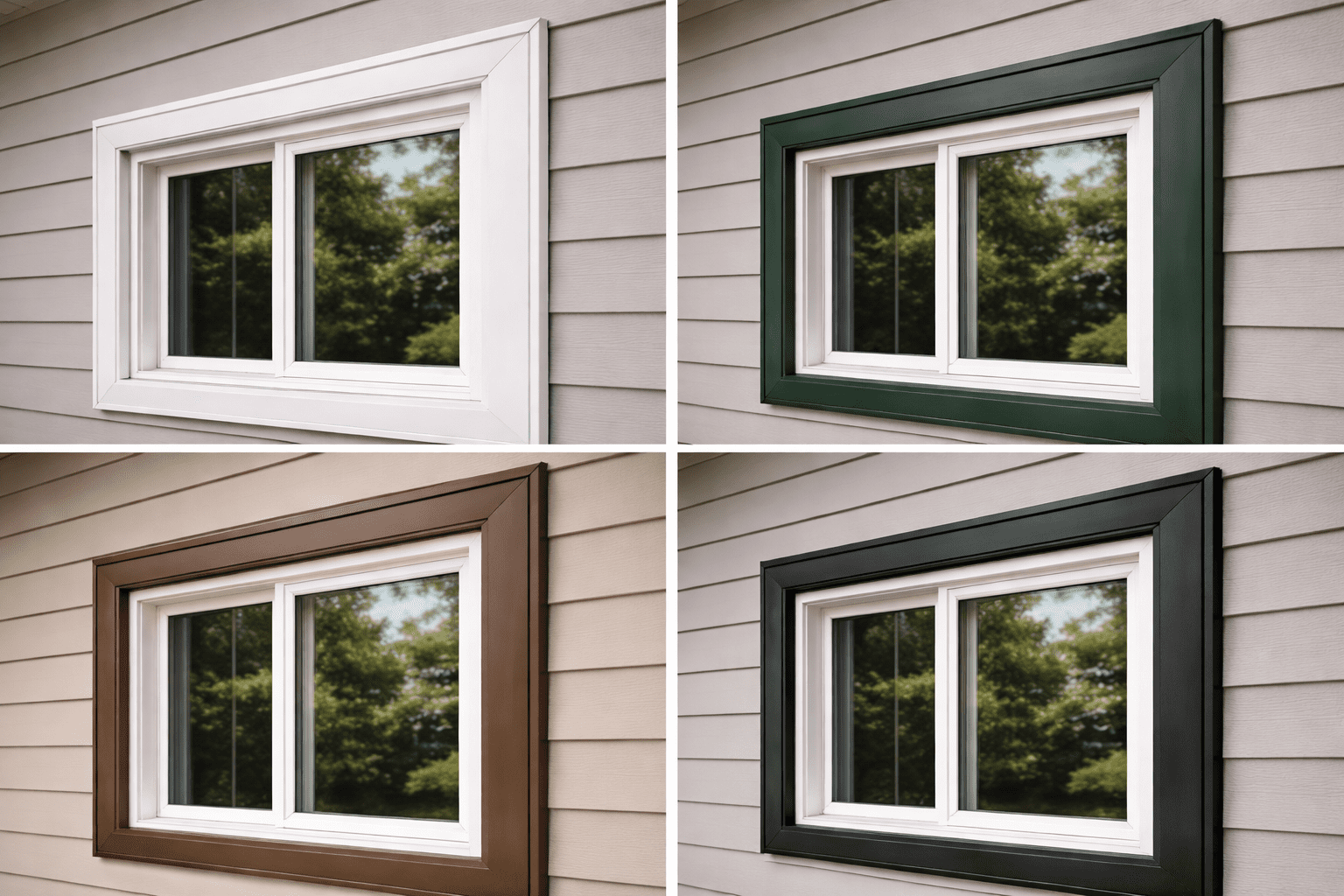
  • Custom exterior aluminum capping in matching color + weatherproof caulking.
  • Lower cost, shorter install time, minimal disruption.

Full-Frame Tear-Out — When We Recommend It

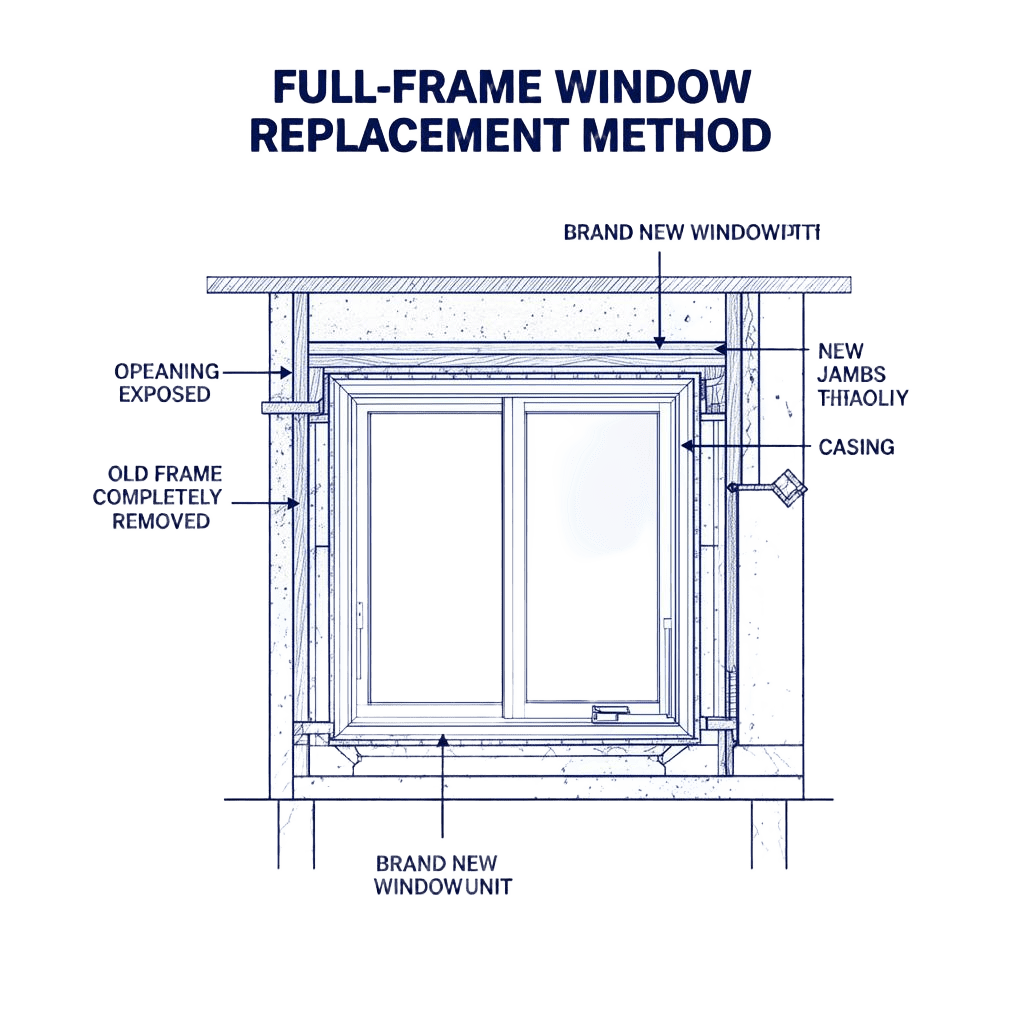
Old frame completely removed; new unit with new jambs & trims.

  • Required when the existing frame is rotted, warped, water-damaged or cosmetically unacceptable.
  • Allows size/style changes (e.g., widen opening, convert slider → casement pair).
  • Higher cost and more time; may need interior/exterior carpentry and paint.
Local note: In Chicagoland, most homes are well-suited for insert replacements. We’ll always inspect your frames first and advise honestly — if a full-frame is unnecessary, we won’t upsell it.
Step-by-step demo thumbnail

Step-by-Step Demo

Short video showing sash removal, foam insulation, and exterior capping.

Aluminum capping detail

Aluminum Capping Detail

Bent on-site for a tight, clean look that protects old wood from weather.

Interior preserved casing

Interior Stays Intact

Existing casing & paint typically remain untouched in insert projects.

Installation Standards at Click Windows & Doors

Understanding the window replacement process is essential. In the U.S. market—especially around Chicago—the most common, cost-effective, and least intrusive method is the Standard Insert / Pocket Window Replacement. Our goal is maximum energy efficiency and clean aesthetics with minimal disruption to your home.

The 90% Solution: In roughly 90% of residential projects, the structural opening stays intact. We remove the old sashes and interior tracks, and install a custom-sized insert window (new frame + new sashes + high-performance glass) into the existing frame.

1) What Stays (Original Structure)

  • Original Window Frame: The built-in, load-bearing frame remains if it’s solid and rot-free. Keeping it reduces cost and construction mess.
  • Interior Casing & Trim: Decorative wood moldings around the window stay in place—avoids drywall, plaster, and paint repairs.

2) What Gets Replaced (The New Unit)

  • Removal of Old Components: We remove the old sashes (moving glass panels) and the interior tracks/jamb liners inside the existing frame.
  • Installation of the Insert: A new, custom-sized replacement window (new frame + sashes + insulated glass) is set into the existing frame, leveled, fastened, and insulated.

3) Exterior Finish & Weatherproofing

  • Aluminum Capping / Trimming: Exposed original wood is covered with site-bent aluminum coil for a durable, maintenance-free, waterproof finish.
  • Sealing (Caulking): High-grade, flexible caulk seals all seams between new trim and your exterior for superior air- and water-tightness.

Standard Insert Replacement — Step by Step

Remove old sashes

Take out the movable panels; leave the original frame and interior casing/stops in place when sound.

Prep, set & fasten the new unit

Dry-fit, level and square the custom window; fasten per spec for long-term performance.

Insulate & finish

Low-expansion foam at the perimeter; reinstall stops; exterior aluminum capping formed to fit; color-matched caulking.

Clean, test & haul-away

Operate/tilt demonstration, cleanup, and removal of old materials.

Benefits of the Standard Insert Replacement

Cost-Effective: Lower labor than full-frame tear-out.
Fast Installation: Minimal time in the home; reduced disruption.
Non-Invasive: Interior walls, paint and casing typically remain untouched.
Structural Integrity: Preserves the original opening while upgrading performance.

When Full-Frame Replacement Makes Sense

If the original frame is rotted, warped, water-damaged or aesthetically unacceptable, we may recommend a full-frame tear-out with new jambs and trims. This allows size/style changes but adds time and cost due to additional carpentry and finishing.

Insert vs. Full-Frame Replacement — What’s Right for Your Home?

Most Chicagoland projects are insert (retrofit) installs. Full-frame tear-outs are reserved for specific cases. Here’s a clear, non-salesy comparison.

Default Method

Insert (Retrofit) Replacement

Best when the existing frame is solid and rot-free.
  • Preserves interior casing and wall finishes — no drywall/paint work.
  • Exterior finished with custom aluminum capping + color-matched caulk.
  • Lower cost, faster install, minimal disruption.
  • Maintains original opening; upgrades efficiency and appearance.
When It’s Needed

When Full-Frame Replacement Makes Sense

  • Rotted/warped/water-damaged or unstable frame.
  • Pest damage or compromised wood members.
  • Homeowner wants a different size or style (e.g., widen opening, convert slider → casements).

Note: Full-frame increases cost and time; may require new jambs, insulation, siding/drywall and interior/exterior trim.

Full-Frame Replacement (The “Tear-Out”) — Details

The original frame is removed down to the rough opening; new unit is built with new jambs and trims.
  • Allows resizing or re-styling the opening and correcting hidden structural issues.
  • Often involves additional work on insulation, moisture barriers, siding and interior finishes.
  • We recommend it only when a simpler insert is not appropriate — no upselling.